A City Named for a Misspelled Lake
Lake Wales was incorporated as a town on May 28, 1917, and became a city in 1925, following a community first established in 1911–1912 by the Lake Wales Land Company. Its name carries a small, genuine quirk: it's named for Lake Wailes — spelled with an "i" — itself renamed from the original "Watts Lake" by Sidney Irving Wailes in the late 1800s. The city's name simplified the spelling to "Wales" while the lake itself retains the original "Wailes" spelling to this day.
Bok Tower Gardens — A Genuine National Historic Landmark
Just north of Lake Wales sits Bok Tower Gardens, founded by Edward W. Bok, the Dutch-American editor of Ladies' Home Journal, and developed between 1924 and 1928. The centerpiece Singing Tower was built 1927–1929 and dedicated by President Calvin Coolidge on February 1, 1929 — a genuinely significant moment for the city. The 205-foot Gothic Revival tower is built of pink Etowah marble and gray Creole marble and houses a 60-bell carillon cast by John Taylor & Co. of England; architect Milton B. Medary won the AIA Gold Medal in 1929 for the design. The gardens sit atop Iron Mountain, one of the highest points on the Florida peninsula, and the sanctuary has grown from an original 25 acres to roughly 250 acres today. The site was designated a National Historic Landmark on April 19, 1993, and Edward Bok himself is entombed at the base of the tower following his death in 1930.
A Historic Downtown From the Florida Land Boom
Lake Wales' commercial historic district preserves architecture from the 1920s Florida land boom, anchored by the Dixie Walesbilt Hotel, the city's tallest historic structure, which has undergone restoration. Other real local landmarks in the area include Chalet Suzanne, a historic inn and restaurant notable for its own private airstrip, and Spook Hill, a well-known local gravity-hill optical illusion that draws steady curious visitor traffic.
What Renovating a Historic Lake Wales Home Involves
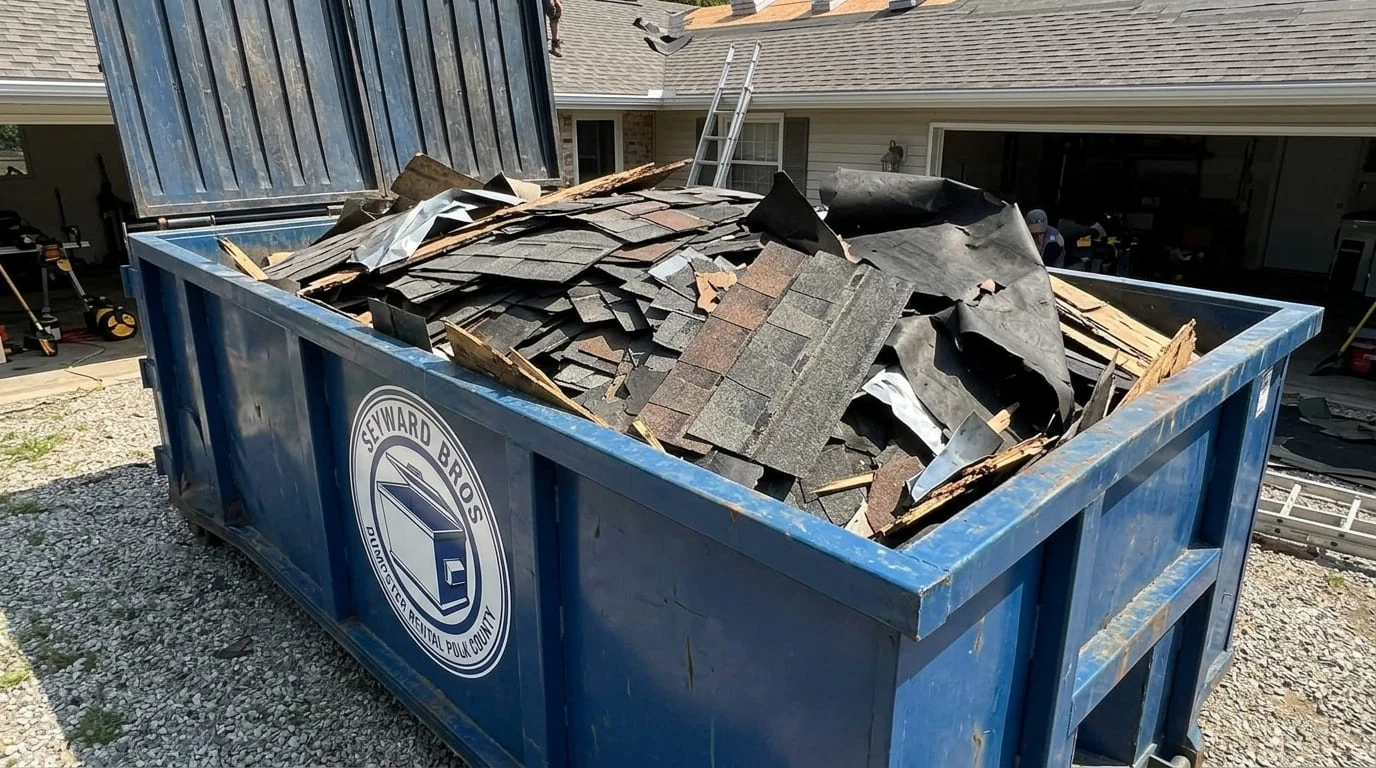
Homes built during Lake Wales' 1920s land-boom era, or anywhere near its historic downtown, tend to carry the same older-construction hallmarks common across Central Florida's historic districts — original wood siding and trim, plaster walls in some cases, and period fixtures and hardware often worth pulling for salvage rather than demolishing outright. A renovation debris load from a property this age tends to run more varied than a comparable newer-home remodel, and it's worth flagging anything worth setting aside when you call.
Permitting Through the City
The City of Lake Wales maintains a dedicated Right of Way (ROW) Permit process, and its own Code of Ordinances includes a Chapter 17 governing solid waste. As with the other incorporated cities in our service area, a container kept entirely on your own driveway or private property generally doesn't trigger a permit requirement — it's placement on a public street that does.
Sizing for a Historic Renovation Near Lake Wales
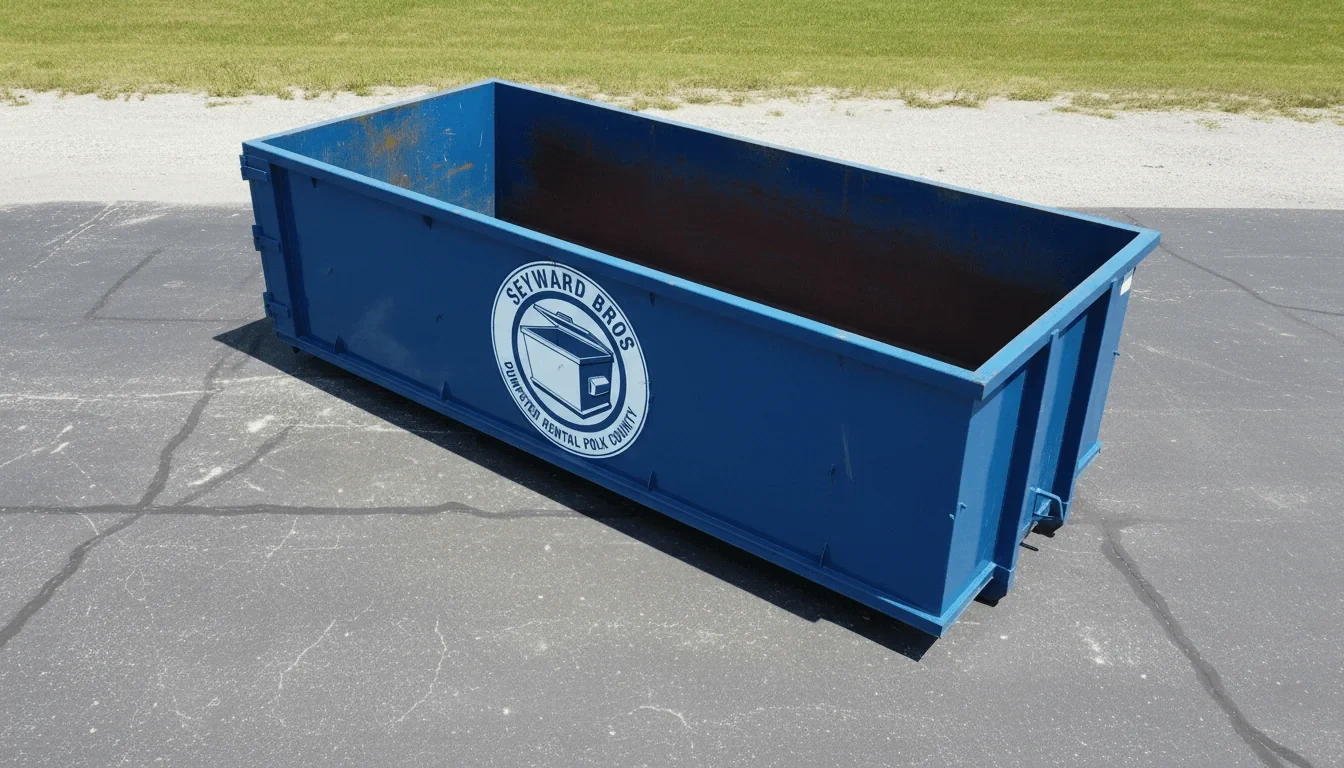
Most single-room renovations on an older Lake Wales property fit a 15 or 20 yard container. A larger whole-home renovation, or a project involving real structural work on a land-boom-era building, more often calls for a 20 or 30 yard. Whatever the scope, our pricing stays flat-rate throughout.
Call (863) 457-3737 and describe your project and its proximity to Lake Wales' historic downtown or Bok Tower Gardens. We'll size the container, flag anything worth confirming with the city's ROW Permit process ahead of time, and get you a flat-rate quote.